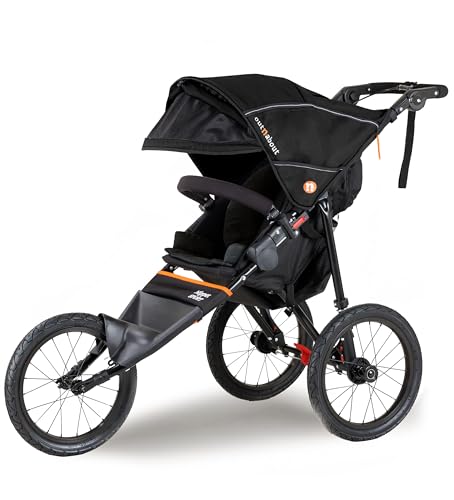
Exploring the Versatility and Fun of 3-Wheeler Buggies
In the last few years, the three-wheeler buggy has actually gotten traction worldwide of rvs, fascinating enthusiasts with its distinct mix of performance, design, and thrill-seeking capabilities. Not just are these vehicles designed for off-road experiences, however they also provide a platform for social interaction, sporting competitions, and leisurely rides. This post will dig into the exciting world of 3-wheeler buggies, analyzing their functions, uses, advantages, and even attending to some regularly asked questions.
What is a 3-Wheeler Buggy?
A 3-wheeler buggy is a lightweight, compact automobile normally designed for a couple of passengers. It is identified by a three-wheel design, enabling improved maneuverability, agility, and stylistic style. These automobiles come in different styles and functions, consisting of leisure, energy, and racing models.
Table 1: Types of 3-Wheeler Buggies
| Type | Description | Utilizes |
|---|---|---|
| Recreational | Designed for enjoyment and leisure | Off-roading, checking out tracks, household enjoyable |
| Energy | Constructed for carrying light products | Farm work, yard tasks, light carrying |
| Racing | Engineered for speed and performance | Competitive occasions, racing circuits |
| Custom | Modified or handcrafted for special efficiencies | Showcasing, personal jobs, exhibits |
Functions of 3-Wheeler Buggies
Among the standout qualities of a 3-wheeler buggy is its range of functions, which can vary based upon usage and design. Here are some of the most common functions that lovers often try to find:
Table 2: Key Features of 3-Wheeler Buggies
| Function | Advantages |
|---|---|
| Lightweight style | Increased speed and managing |
| Compact size | Simpler navigation in tight areas |
| Adjustable alternatives | Enable personalization to suit individual choices |
| High ground clearance | Better performance on uneven terrain |
| Durable building and construction | Lasting and resistant to misuse |
| Security features | Harnesses, seat belts, and roll cages for protection |
Versatility of Use
The adaptability of the 3-wheeler buggy permits it to deal with a wide variety of users. Some popular applications include:
- Outdoor Recreation: Family getaways and off-road adventures are made more pleasurable with the amazing dynamics of a 3-wheeler.
- Sporting Events: Many enthusiasts participate in or organize races and competitions particularly targeted at 3-wheeler buggies.
- Utility Work: Farmers and ranchers often make use of these automobiles to navigate their residential or commercial properties for tasks like carrying feed, devices, and products.
- Custom-made Builds: Many enthusiasts and enthusiasts enjoy modifying their buggies to fit particular aesthetic appeals or performance requirements, developing unique and personalized vehicles.
Benefits of Owning a 3-Wheeler Buggy
Buying a 3-wheeler buggy comes with different benefits, making it an attractive choice for numerous.
Table 3: Benefits of Owning a 3-Wheeler Buggy
| Advantage | Description |
|---|---|
| Cost-efficient | Typically more cost effective than bigger leisure cars |
| Easy to maintain | Easier mechanics indicate lower maintenance requirements |
| Social Interaction | Suitable for group getaways and gatherings |
| Fun Factor | Offers an exhilarating driving experience |
| Ecological Impact | Often more fuel-efficient and eco-friendly than bigger automobiles |
Typical Types of 3-Wheeler Buggies
While there's a spectrum of buggies available, here's a closer look at three common types that enthusiasts often consider:
- ATV Buggies: All-terrain cars (ATVs) designed to traverse diverse landscapes, making them perfect for adventurers and hunters.
- Go-Kart Buggies: Smaller and generally faster, these are created for racing on tracks or for enjoyable at theme park.
- Utility Buggies: Engineered for task-oriented work on homes, often geared up for specific utility functions.
Often Asked Questions (FAQ)
1. Are 3-wheeler buggies street-legal?
Many 3-wheeler buggies are not street-legal. Nevertheless, some models can be modified to satisfy street-legal requirements depending on regional policies. It's essential to consult regional authorities.
2. What is the typical cost of a 3-wheeler buggy?
The cost of a 3-wheeler buggy can range from ₤ 5,000 to ₤ 20,000, depending on the brand, design, and functions connected with it. Customized options can surpass this range.
3. How quick can a 3-wheeler buggy go?
The speed of a 3-wheeler buggy varies widely based upon engine size and style. Typical models can reach speeds of 30 to 60 miles per hour, with performance-focused models going even quicker.
4. How do I keep my 3-wheeler buggy?
Regular maintenance includes inspecting the brakes, oil levels, tires, and battery. Additionally, it is vital to clean up the air filter and check mechanical parts for wear and tear.
5. Can 3 Wheeler Travel System customize my 3-wheeler buggy?
Yes! Many owners enjoy personalizing their buggies. Nevertheless, it is crucial to make sure that adjustments fulfill security policies and do not jeopardize the lorry's structural stability.
The 3-wheeler buggy is more than just an automobile; it's an interesting expression of liberty and adventure. Its varied applications, adjustable functions, and potential for social connection make it a beneficial investment for those seeking both enjoyment and utility. As the appeal of 3-wheeler buggies continues to grow, lovers are most likely to find a lot more innovative usages and interesting developments within this specific niche.
Whether for racing on circuits, farm energy, or simply recreational purposes, a 3-wheeler buggy assures thrill and functionality. If you're thinking about joining the ranks of 3-wheeler buggy owners, the journey makes sure to be filled with memories, friendships, and exciting rides!